







Search Results for: coffee cupping process
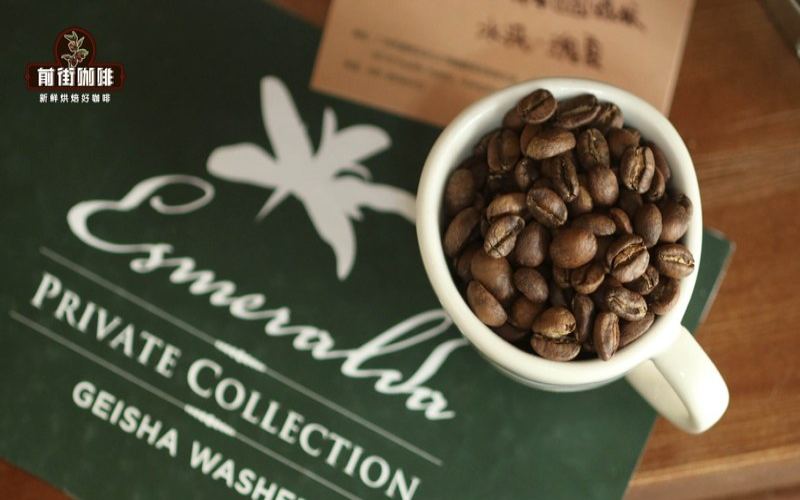
Honey-Processed Coffee Beans: Balancing Budget and Drinking Frequency
When it comes to honey-processed coffee beans, we should start with the actual cup experience. When buying beans day to day, you need to consider how quickly you'll drink them, how much to buy at a time, and whether you mainly make black coffee or milk coffee at home. The roast level of the coffee beans determines the basic taste, the origin and processing method bring differences in aroma, and the equipment you use will change the strength, so when choosing beans you need to take all these factors into account. [more…]
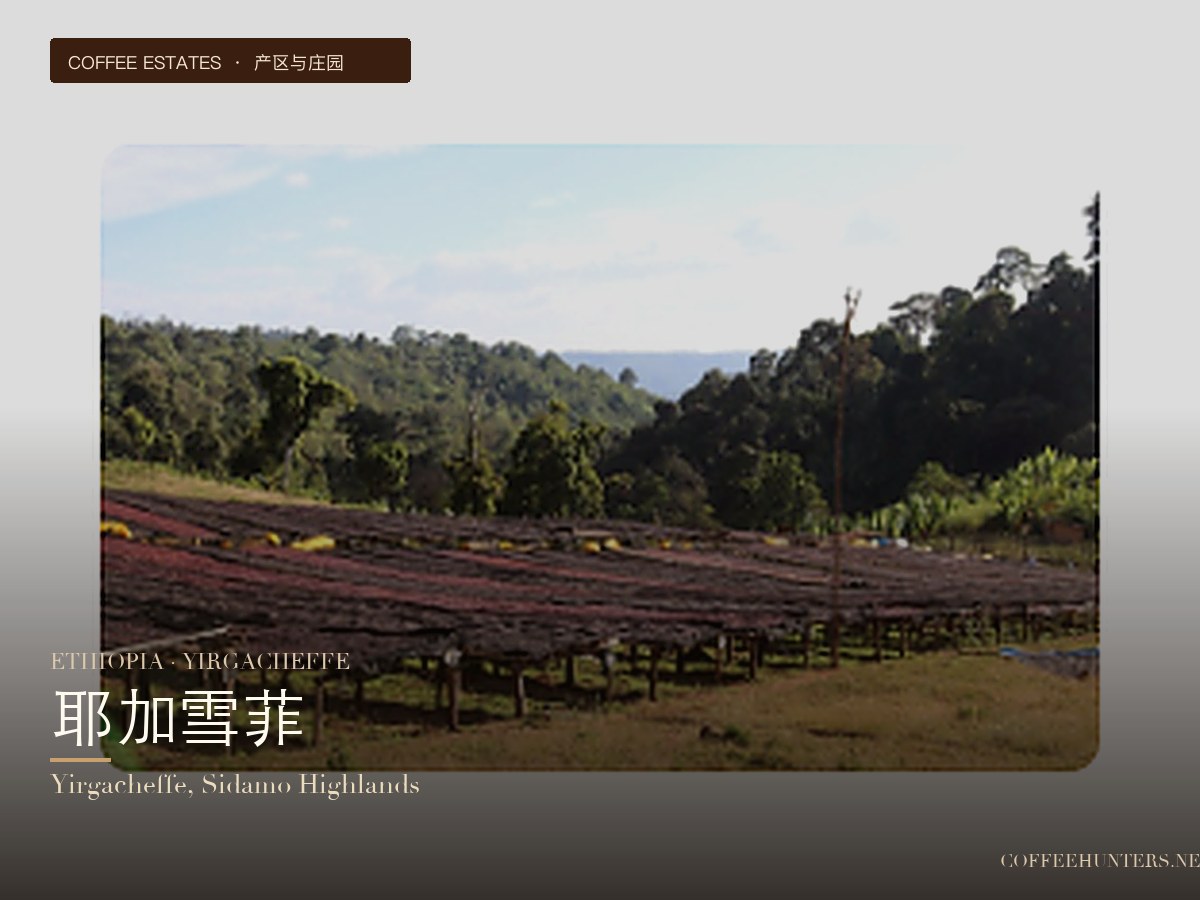
Ethiopia · Yirgacheffe: The Floral-Fruity Doctrine of the Sidamo Highlands
Yirgacheffe is Ethiopia's most iconic specialty coffee region, renowned worldwide for the clean floral and citrus notes produced by its washed processing. This article takes you from history, geography, varieties, and processing methods all the way to the flavors in the cup, offering an in-depth understanding of the origins of this floral-and-fruity doctrine. [more…]
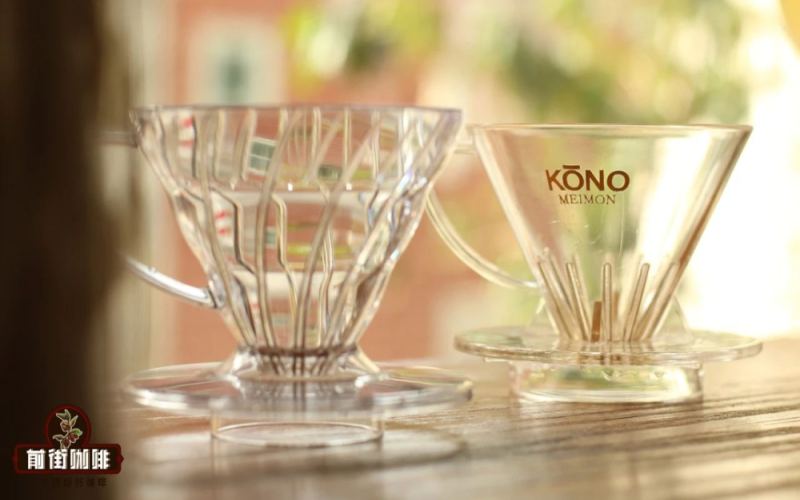
Clever Cup Usage Guide | What Are the Differences Between Pour-Over Coffee and Clever Cup Coffee? What Are the Brewing Principles of V60 and the Clever Cup?
Anyone who has visited a Front Street Coffee (FrontStreet Coffee) store will easily notice that Front Street's baristas generally use only two types of filter cones when making pour-over coffee: one is the Hario V60, and the other is the KONO. However, these filter cones all have certain requirements for the brewing technique. [more…]

Introduction to the Coffee Cupping Procedure: How to Perform Coffee Cupping and What It Is For
There are many coffee extraction methods, and each one produces coffee with the character of that method. Therefore, an objective method with as little human intervention as possible is also needed to evaluate coffee's flavor or quality, and that method is cupping. Cupping is an immersion-style extraction, with no manual technique intervening during the process to extract [more…]
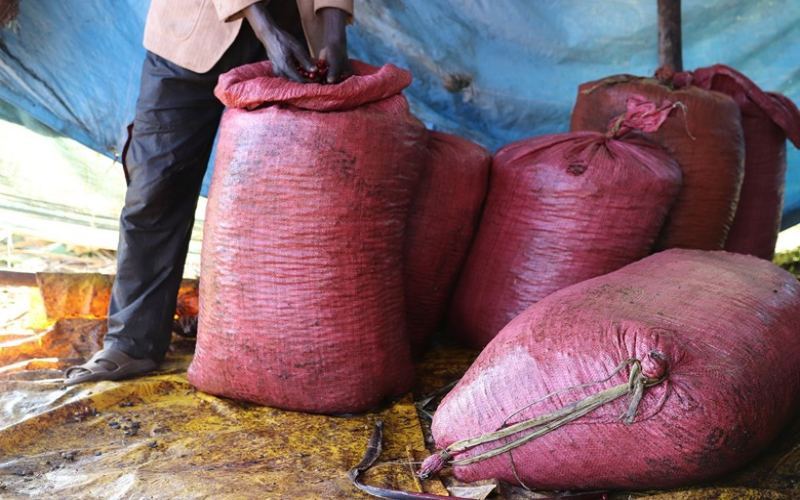
From a Coffee Cherry to a Cup of Coffee: The Seed-to-Cup Journey
Many people drink coffee every day, but few have thought about where it comes from. Before a cup of coffee is set before you, it has already traveled a long journey: from fruit on the tree, to the processing plant, to the roaster, and finally to your cup. This journey is worth taking a few minutes to understand. Starting from the seed: flowering and fruiting it all begins with [more…]
How to Choose Honey-Processed Coffee Beans: Flavors and Brewing Methods from Light to Dark Roast
The charm of honey-processed coffee beans often lies in the connection found between fruity aromas, sweetness, and a mellow mouthfeel. After the pulp is removed, part of the mucilage layer on the surface of the coffee fruit is retained, and through drying, sweetness and fermented notes may enter the flavor profile. Depending on the roast level, this sweetness can present itself in floral-fruity, juicy, or caramel directions. [more…]
Honey-Processed Coffee Beans: Roast Level Determines How to Drink It
Honey processing retains some of the mucilage during drying, so the beans often display fruitiness, sweetness, and a rounder mouthfeel at the same time. But with the same processing method, different roast levels shift the focus in the cup: light roasts make it easier to taste bright aromatics, medium roasts have steadier sweetness, and medium-dark roasts better suit drinkers who want more body. [more…]
Pour-over coffee brewing method | How to brew drip bag coffee, how many times can it be brewed? How much water is needed to make a cup of drip bag black coffee?
For more specialty coffee knowledge, please follow: Front Street Coffee (Frontsteet Coffee). Newcomers to coffee may misunderstand the difference between pour-over coffee and drip bag coffee. Due to the packaging cost of drip bag coffee, the price of drip bag coffee made from the same coffee beans will be higher than that of whole beans. [more…]
A Complete Guide to Ethiopian Coffee Heirloom Varieties: From Variety Characteristics to the Red Cherry Project and Grading System
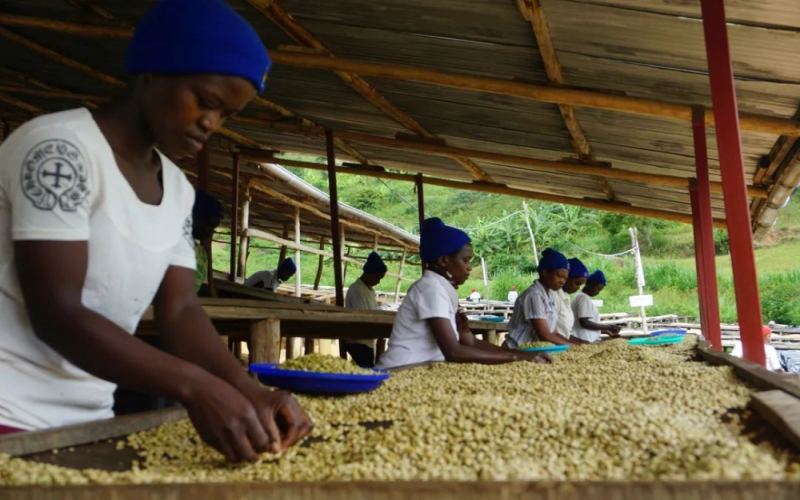
Ethiopia is a genetic treasure trove of coffee, with a vast array of native varieties and unique flavors. From Yirgacheffe to Sidamo, from washed to natural, every bean is full of surprises. This article takes you deep into Ethiopia's coffee variety classifications, flavor characteristics, processing method differences, the Red Cherry Project, and its unique grading system, and shares Front Street Coffee's cupping and brewing experience to help you gain a comprehensive understanding of this major African coffee country. [more…]
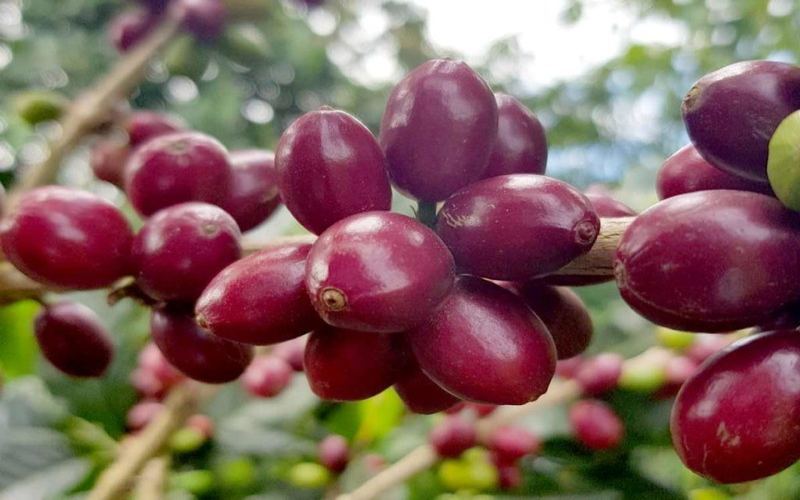
The Flavor Window of Honey-Processed Beans: How to Plan from Opening the Bag to the Last Cup
The sweetness and fruity aromas of honey-processed coffee beans often don't fully emerge on the day you open the bag. After roasting, the beans continue to slowly release carbon dioxide, and the aroma, acidity, and mouthfeel will recombine over time. When buying beans, besides looking at the origin and flavor notes, you should also pay attention to the roast date, the condition of the packaging, and your own drinking pace—these facto [more…]

From Coffee Cherry to Cup: Coffee Cherry Structure Diagram and Full Analysis of Green Bean Processing Workflow
Many people drink coffee every day, yet have never seen what a coffee fruit actually looks like. Coffee cherries resemble cherries, turning red when ripe, and their internal structure determines the final form of the coffee bean. This article uses anatomical diagrams to show in detail the exocarp, pectin layer, endocarp, silver skin, and seed of the coffee fruit, and traces the complete chain from harvesting, washing or drying, roasting, to extraction. It also introduces the distribution characteristics of the global coffee belt, as well as the basic differences among the three major native species: Arabica, Robusta, and Liberica. The article also recommends related products from Front Street Coffee, helping enthusiasts understand more intuitively the transformation of coffee from fruit to cup. [more…]
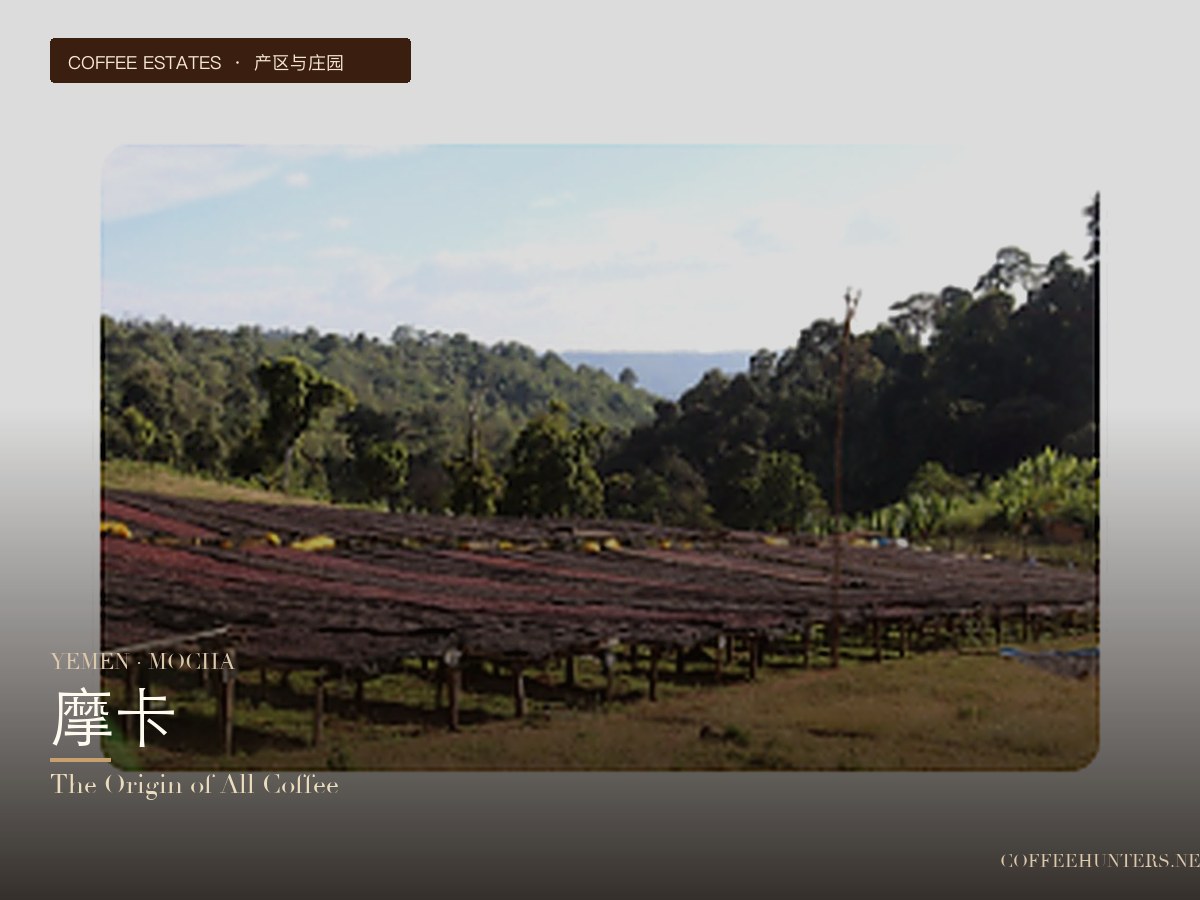
Yemen · Mocha: The Origin of Coffee and Ancient Flavors
Yemen is the birthplace of commercial coffee cultivation, and the port of Mokha was once the starting point of the global coffee trade. This article takes you through the long history of Yemeni coffee, its unique processing methods, and how it performs in the cup. [more…]
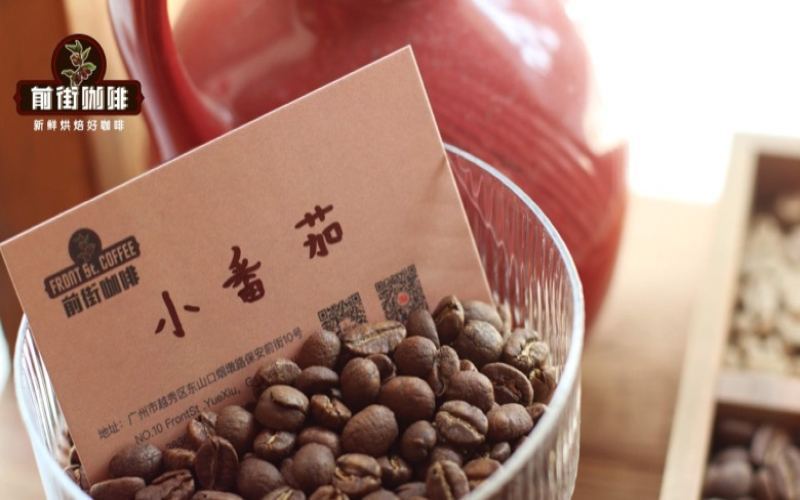
Fruity Aroma Gene Bank: A Profile of Origins and Processing Methods Behind Floral and Fruity Coffee Beans
The floral and fruity aromas of coffee are not magic conjured by the roaster, but genes written into the terroir of the producing region and the processing method. Flip through the origin records of the mainstream floral and fruity bean varieties on the market, and you will find that behind every fruity note lies a traceable origin story. The opening volume of the records is Ethiopia. As coffee's [more…]
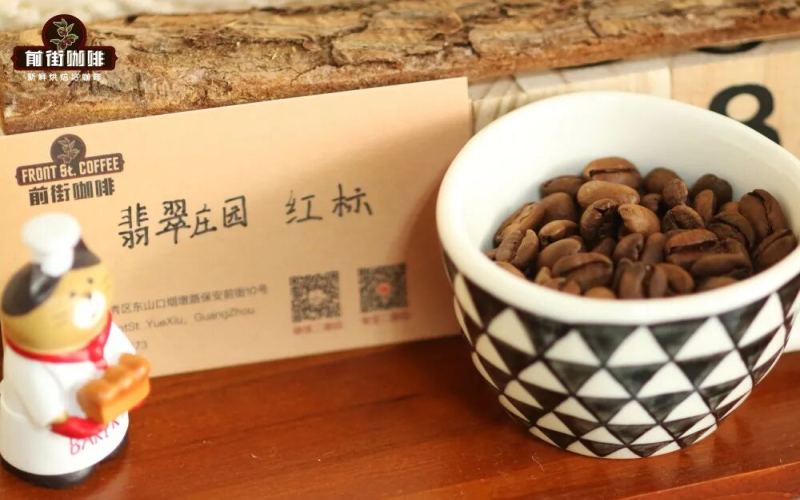
What are Geisha coffee beans? The origin of Geisha coffee beans, recommended origins, prices, varieties, grade classifications, and an introduction to their flavor characteristics
Some people say Geisha coffee is so expensive, but what exactly does Geisha coffee taste like? Front Street believes that when you drink Geisha coffee, it feels less like a cup of coffee and more like a cup of fruit-and-flower tea. Because of different growing regions, the flavors that Geisha coffee presents also vary, but overall, Geisha coffee naturally carries a kind of [more…]

The Basic Process of Coffee Tasting | How do you properly taste coffee? What are the steps in coffee tasting? How do you describe the flavor of pour-over black coffee?
For more specialty coffee knowledge, please follow our WeChat official account: FrontStreet Coffee. Tasting coffee is like tasting wine—when we savor a cup of specialty coffee, we naturally aspire to discern its flavors and express them. Since many of our readers have given feedback about coffee tasting-related [more…]
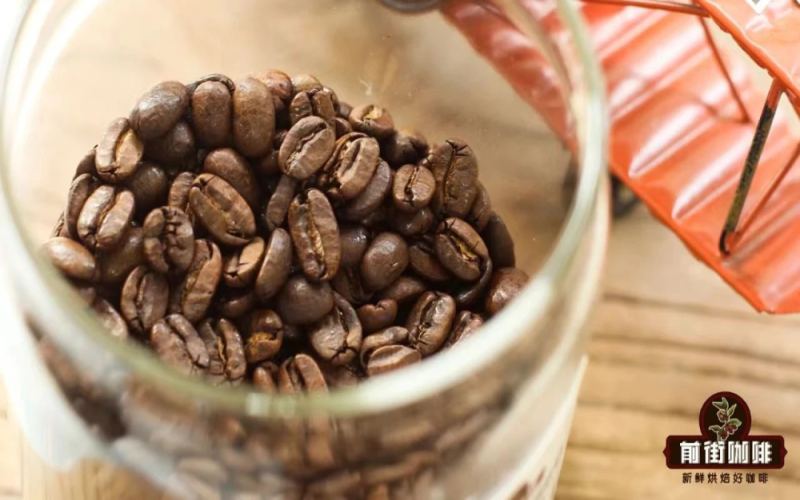
PWN Golden Mandheling | Where is the Indonesian Golden Mandheling coffee producing region? Introduction to Golden Mandheling green bean processing method, roasting curve, cupping flavor, and pour-over parameters
PWN Golden Mandheling 01 | Origin Introduction Indonesia's main coffee-producing regions are Sumatra, Java, and Sulawesi, with Mandheling from Sumatra being the most famous. Mandheling, also known as Sumatra coffee, North Suma [more…]
From Water Temperature to Coffee-to-Water Ratio: Key Practical Points and Common Misconceptions in the Entire Pour-Over Coffee Process
To brew a great cup of coffee, good beans alone are far from enough—storage method, grind size, water temperature, and brewing technique all directly affect the flavor of the final cup. This article explores seven key details in coffee making, from the temperature threshold for avoiding bitterness, to the golden ratio of coffee to water, to the flavor tipping point of holding time, offering practical advice for each. Whether you prefer drip equipment or other brewing methods, these principles will help you avoid common pitfalls and consistently reproduce a clean, balanced, and fresh cup of coffee. [more…]
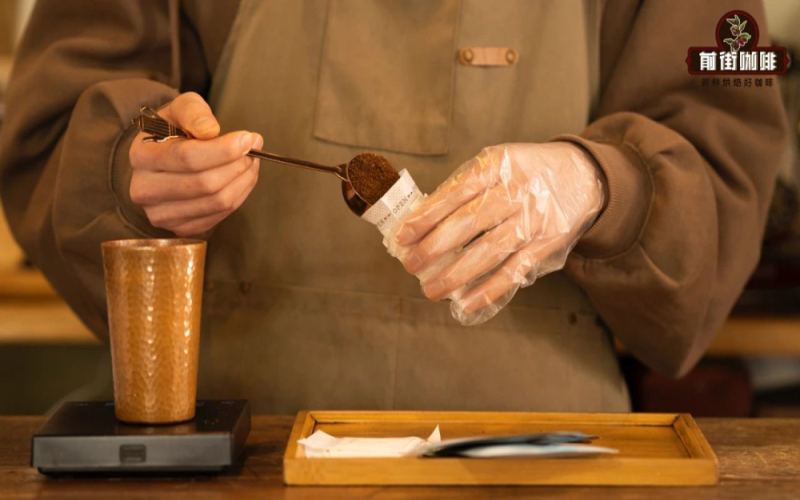
Drip Coffee Brand Recommendations | Who invented the drip coffee bag? What are the features of drip coffee bags? How to brew iced coffee at home with a drip coffee bag?
For the same beans, freshly roasted coffee and drip bags will have some differences in flavor, because once coffee is ground, its natural aroma disappears quickly. Of course, Front Street Coffee also has many regular customers who request that the coffee be ground before shipping, and in such cases Front Street Coffee generally recommends drinking it as soon as possible. Of course, compared with pour-over, drip bags are [more…]
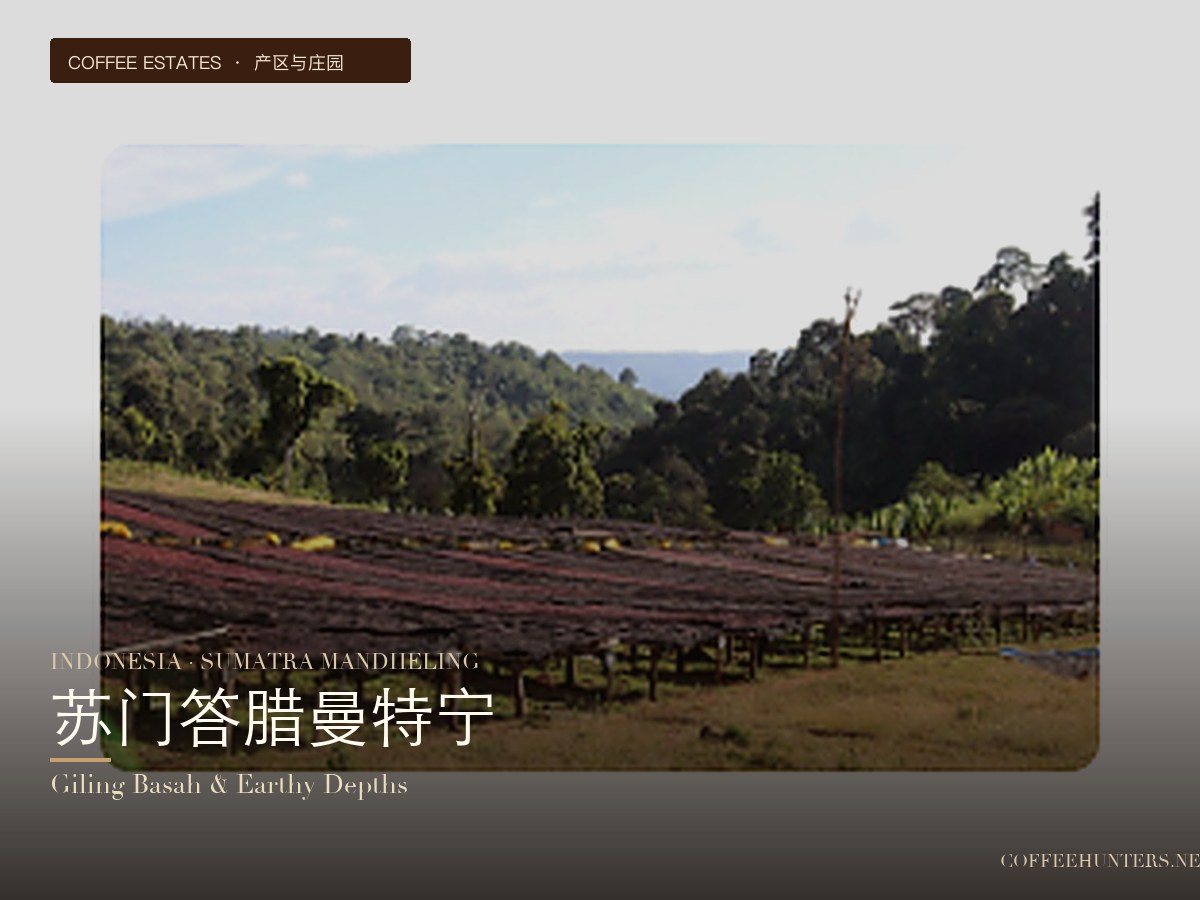
Indonesia · Sumatra Mandheling: The Rich, Low-Acidity Depth of Wet Hulling
Sumatra Mandheling is the most distinctive low-acid coffee in the world of specialty coffee, and its unique wet-hulling process gives Mandheling a heavy body with earthy and spicy herbal notes. This article takes you through the mystery of Mandheling's processing. [more…]
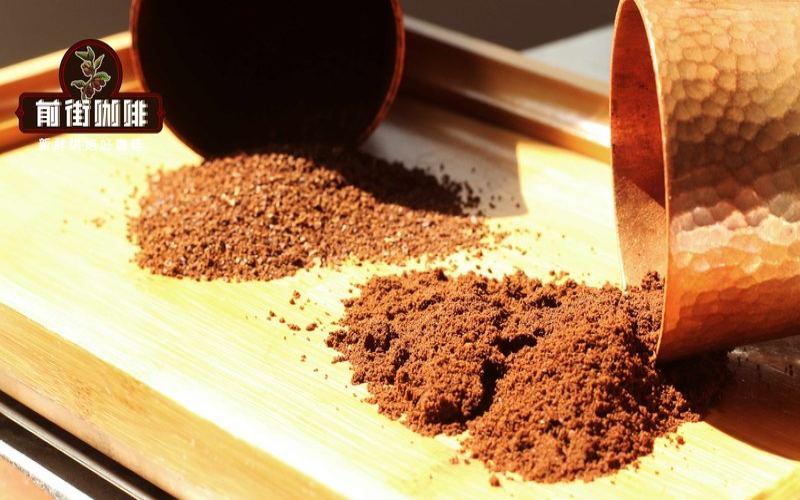
Sun-Dried Coffee Beans Recommendations: Balancing Budget and Drinking Frequency
When it comes to sun-dried coffee beans, start by thinking about how you'll be drinking them every day. For everyday bean purchases, you need to consider how quickly you'll go through them, how much to buy at a time, and whether you mainly make black coffee or milk coffee at home. If you mostly drink black coffee, you can pay more attention to aroma and aftertaste; if you often add milk, then you need to consider whether the intensity and body can hold up, which will directly [more…]